
Opinion — 4 min read
Balon D’Owl: Svante Ingelsson is Wednesday’s most complete player of the past year
In a season that has shifted shape repeatedly, Ingelsson has stood out as the most dependable all-round Owl.
 THE WEDNESDAYPRESS.
Dave Challinor is the betting-led frontrunner, with Gary Rowett and Paul Heckingbottom also in the frame. Here is how each would likely set up if all players were available.
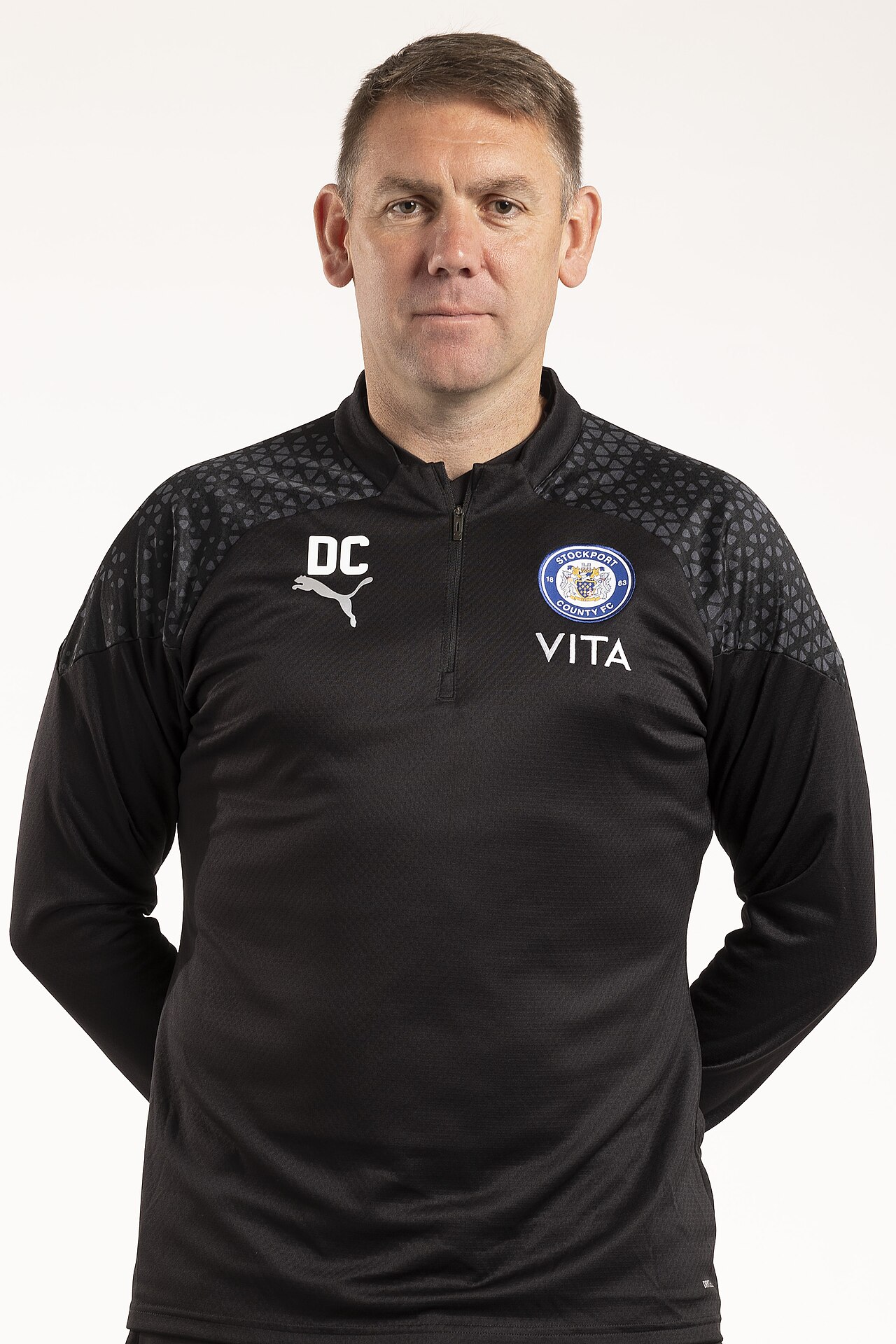
Sheffield Wednesday’s search for a new head coach has begun with clear markers already in place: the club want a more recognisable style of play and a stronger identity after Henrik Pedersen’s departure, with Matt Hamshaw installed as interim boss in the meantime.
At this stage, Dave Challinor looks the strongest early contender. Betting-led and local reporting have pushed him to the front of the queue, and he would bring the kind of structure and pragmatism that often defines a promotion-chasing side.
If Challinor got the job, Wednesday would most likely move to a 3-5-2 or 3-4-1-2. That would mean a compact team, a direct route into attack and a heavy emphasis on set pieces and organisation. Barry Bannan would remain the main connector, with Davis Keillor-Dunn given licence to operate close to goal rather than as a touchline midfielder.
A probable line-up would look like this: Maynard-Brewer; Valery, Bernard, Cooper; Palmer, Mitchell, Bannan, Max Lowe; Keillor-Dunn; Jamal Lowe, Harry Gray. That gives Wednesday pace, industry and enough flexibility to switch Harry Gray for Al-Hamadi if a more physical centre-forward is preferred.
Gary Rowett is the other leading experienced candidate to have been mentioned. As a free agent and a previous name linked with the role, he would offer a more measured, defensively reliable option.
Rowett’s default shape would probably be 4-2-3-1 or 4-3-3. The key would be control without the ball, strong midfield duels and efficient transitions. Bannan would still be central to the build-up, but more as a senior controller in a deeper role. Keillor-Dunn would fit well either as the No 10 or from the inside channel.
His likely line-up would be: Maynard-Brewer; Valery, Bernard, Cooper, Max Lowe; Mitchell, Bannan; Morrison, Keillor-Dunn, Jamal Lowe; Al-Hamadi. That is the most conservative version, with Harry Gray as an alternative if Rowett wants greater mobility up front.
Paul Heckingbottom, meanwhile, has been floated in local opinion-led coverage and would bring a different edge: intense, front-foot football with clear pressing triggers. If Wednesday want a more aggressive identity, he would be the most obvious fit among the names being discussed.
Heckingbottom would most likely settle on 4-2-3-1, shifting to 4-4-2 out of possession. That would suit a team asked to work hard without the ball and break quickly once possession is regained. Keillor-Dunn and Jamal Lowe look the clearest fits for the wide or supporting attacking roles, while a striker who can lead the press would be essential.
His probable XI would be: Maynard-Brewer; Valery, Bernard, Cooper, Max Lowe; Mitchell, Bannan; Morrison, Keillor-Dunn, Jamal Lowe; Gray. It is a line-up built for energy, running and quick transitions rather than patient possession.
Hamshaw remains the continuity option. If Wednesday decide not to go external straight away, he is the in-house route to stability and would be most likely to keep a 4-2-3-1 shape with minimal disruption.
The simplest reading is this: Challinor is the frontrunner, Rowett the safest controlled choice, Heckingbottom the intensity pick, and Hamshaw the continuity option already in post.
In a season that has shifted shape repeatedly, Ingelsson has stood out as the most dependable all-round Owl.

Six straight home crowds above 30,000 have coincided with Wednesday’s strongest Hillsborough displays this season, yet the evidence says the atmosphere amplifies results more than it creates them.