
Opinion — 4 min read
Balon D’Owl: Svante Ingelsson is Wednesday’s most complete player of the past year
In a season that has shifted shape repeatedly, Ingelsson has stood out as the most dependable all-round Owl.
 THE WEDNESDAYPRESS.
A new manager inherits a squad with goals in it, senior presence and enough variety to shape a plan — but also repeated problems with slow starts, defensive basics and availability.

Sheffield Wednesday’s rebuild case is not one of starting from zero. The squad already contains clear attacking talent, experienced leaders and enough physical and technical range to support a coherent identity. What it lacks is consistency, especially in the early phases of games and in defensive control.
The strongest evidence in the current sample comes from the 5-0 win over AFC Wimbledon, when Barry Bannan, Davis Keillor-Dunn and Harry Gray scored before half-time and Callum Slattery added another after the break. Keillor-Dunn finished with a brace, underlining that Wednesday have a player who can turn promising attacks into goals. Bannan remains the main tempo-setter and creator, Gray gives youthful forward threat, and Slattery adds running power and end product from midfield.
That is a useful attacking core for any incoming manager. It suggests Wednesday can play with pace, press higher and attack quickly rather than rely only on slow possession. The best performance in the data set was built on aggressive pressing, transitions and a clear offensive mindset, which gives the next coach a practical base to work from.
There is also a recognisable spine. Recent line-ups have included senior figures such as Liam Cooper, Barry Bannan, Liam Palmer and Max Lowe, giving the squad a level of leadership that matters in a rebuild. The retained list also indicates the club has kept together a sizeable group of senior and emerging players, so the task is more about direction than wholesale replacement.
The flexibility of the squad is another strength. Recent selections have included enough variation across centre-halves, full-backs, midfield runners, wide attackers and forwards to suggest the group can be shaped in different ways. Five changes for the Doncaster game, after an earlier unchanged XI, point to a squad broad enough for selection options.
But the weaknesses are clear and repeated. Wednesday have been slow out of the blocks, and the Doncaster defeat was another example of that problem. Liam Cooper said the side were 2-0 down in 20 minutes and needed to get back to basics, while the manager has said the team must start taking the fight from the beginning of games. That is both a tactical and mental issue.
Defensively, the basics have not been reliable enough. Comments around marking, first balls and second balls point to a side that can lose shape under pressure, particularly early in matches. Game-state management is also an issue: Jamal Lowe’s red card at Notts County turned that game into an uphill battle and removed any chance of a controlled response.
Availability is another concern. Joe Lumley has been expected to miss two to three weeks with a rib injury, Louie Barry is set for a longer absence, and Di’Shon Bernard was forced off injured against Notts County. That makes continuity harder, especially for a manager trying to install automatisms quickly.
The rebuild, then, should start simply. Wednesday need a more secure opening structure, clearer marking responsibilities and a safer first-half game plan before increasing risk. The attack should be built around Bannan’s control, Keillor-Dunn’s finishing, Gray’s pace and Slattery’s energy, giving the side a defined identity in transition and pressure.
If the next manager can stabilise the first 20 minutes, tighten the defensive work and lean on the senior core, Wednesday already have enough quality in the squad to become far more coherent than they have been so far.
In a season that has shifted shape repeatedly, Ingelsson has stood out as the most dependable all-round Owl.
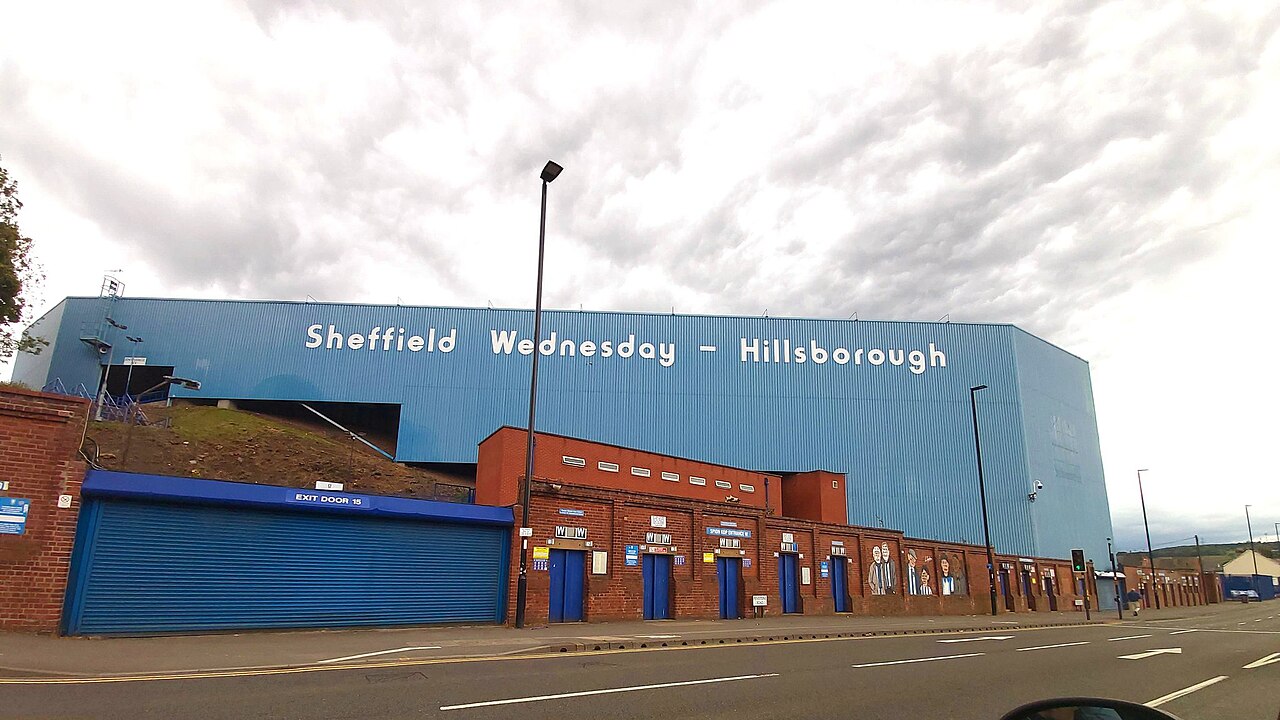
Six straight home crowds above 30,000 have coincided with Wednesday’s strongest Hillsborough displays this season, yet the evidence says the atmosphere amplifies results more than it creates them.